Skincare

7 Best at Home Laser for Black and Brown Skin of 2026: Safe IPL with Adaptive Sensors

Which IPL devices actually prevent burns on dark skin? A guide to safe, effective hair reduction for Fitzpatrick IV–VI.

Finding an IPL hair removal device that is truly safe for black and brown skin is harder than it should be. Many devices marketed as 'universal' still carry warnings against use on darker skin tones. The critical difference is a skin sensor that actively prevents the flash if your skin is too dark — not just a contact trigger.

That safety feature is non-negotiable. Without it, the risk of burns on Fitzpatrick IV–VI skin is real, even with cooling. Among devices with adaptive sensors, you then face a choice between a model with thousands of reviews confirming its track record, or a newer, cheaper option with the same safety mechanism but less long-term data.

The safest bets share a common approach: a sapphire cooling head to keep skin comfortable and a sensor that shuts off the flash when it detects a melanin level outside the safe zone. These two features separate the devices worth considering from those that could cause harm.

1

Ulike Air 10

Top Pick
Ulike Air 10

Dark skin safety

Our Score 8.8/10
Check Price

Worth Noting

  • Occasional error messages and inconsistent flash output may appear during use
Skin Tone Sensor
SkinSensor - stops on too-dark
Cooling Mechanism
Sapphire ice-cooling, <65°F
Energy & Flash Speed
26J USHR mode, 0.4s flash
Attachments & Coverage
Dual lights, 18% wider coverage

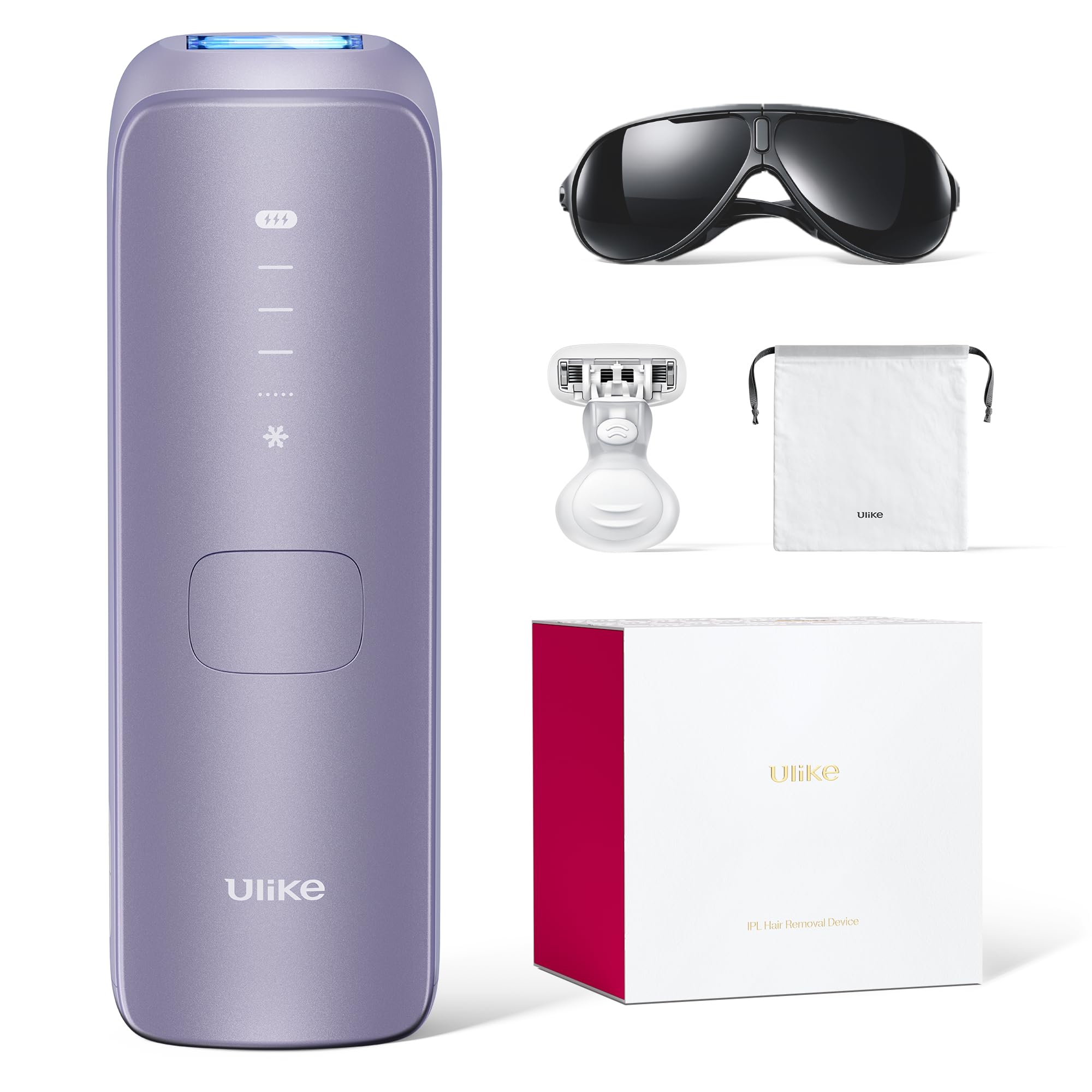
Dual-light technology on the Ulike Air 10 cuts full-body treatment time to about 10 minutes while the sapphire ice-cooling module keeps contact temperature below 65°F, making sessions painless even on sensitive areas.

The skin sensor automatically adjusts power based on skin tone and halts flash output if the skin is too dark, which allows safe use on Fitzpatrick IV–VI tones. Dark-skinned users experience effective hair reduction without burns or discomfort.

This device is designed for individuals with darker skin tones who prioritize safety and comfort. Occasional unit variability may affect long-term use, so it suits those planning consistent treatments within a few months or willing to accept that possibility.

Bottom line: The Ulike Air 10 leads in dark-skin safety and session speed, with a comfort level that competes with in-office treatments — worth considering if you value performance over extended durability certainty.
2

Ulike Air 4

Ulike Air 4

Medium-dark budget

Our Score 9.2/10
Check Price

Worth Noting

  • In rare cases, the device may stop functioning after limited use.
Skin Tone Sensor
Integrated skin sensor
Cooling Mechanism
Sapphire Ice-Cooling, 64°F
Energy & Flash Speed
24J USHR mode, 0.4s flash
Attachments & Coverage
Standard head

The Ulike Air 4 pairs a sapphire ice-cooling window that maintains a 64°F epidermic temperature with a skin sensor that halts flash if your skin tone is too dark, removing the burn risk that disqualifies many IPL devices on Fitzpatrick IV–VI skin. Its USHR mode delivers 24J of energy for stubborn hair, while the 0.4s flash interval with auto-glide cuts full-body sessions to roughly ten minutes.

This model is best for those who want the core safety features of the top pick—cooling and sensor—without paying a premium. The tradeoff is that the top pick has a longer track record of user feedback confirming its durability over time; the Air 4 is a newer model with less accumulated long-term validation.

Bottom line: The Ulike Air 4 is a cost-effective way to get the same essential safety features for dark skin as the top pick, ideal for those willing to accept a shorter proof-of-reliability history.

3

Braun Silk Expert Pro 5

Braun Silk Expert Pro 5

First-time medium

Our Score 8.4/10
Check Price

Worth Noting

  • Effectiveness may plateau after 12 weeks, with some seeing no change despite correct use.
  • Electronics can stop working after a year of use, with white or red light errors reported.
Skin Tone Sensor
SensoAdapt auto-adjusts
Cooling Mechanism
Energy & Flash Speed
Up to 5J/cm², 100 flashes/min
Attachments & Coverage
2 heads (standard + precision)

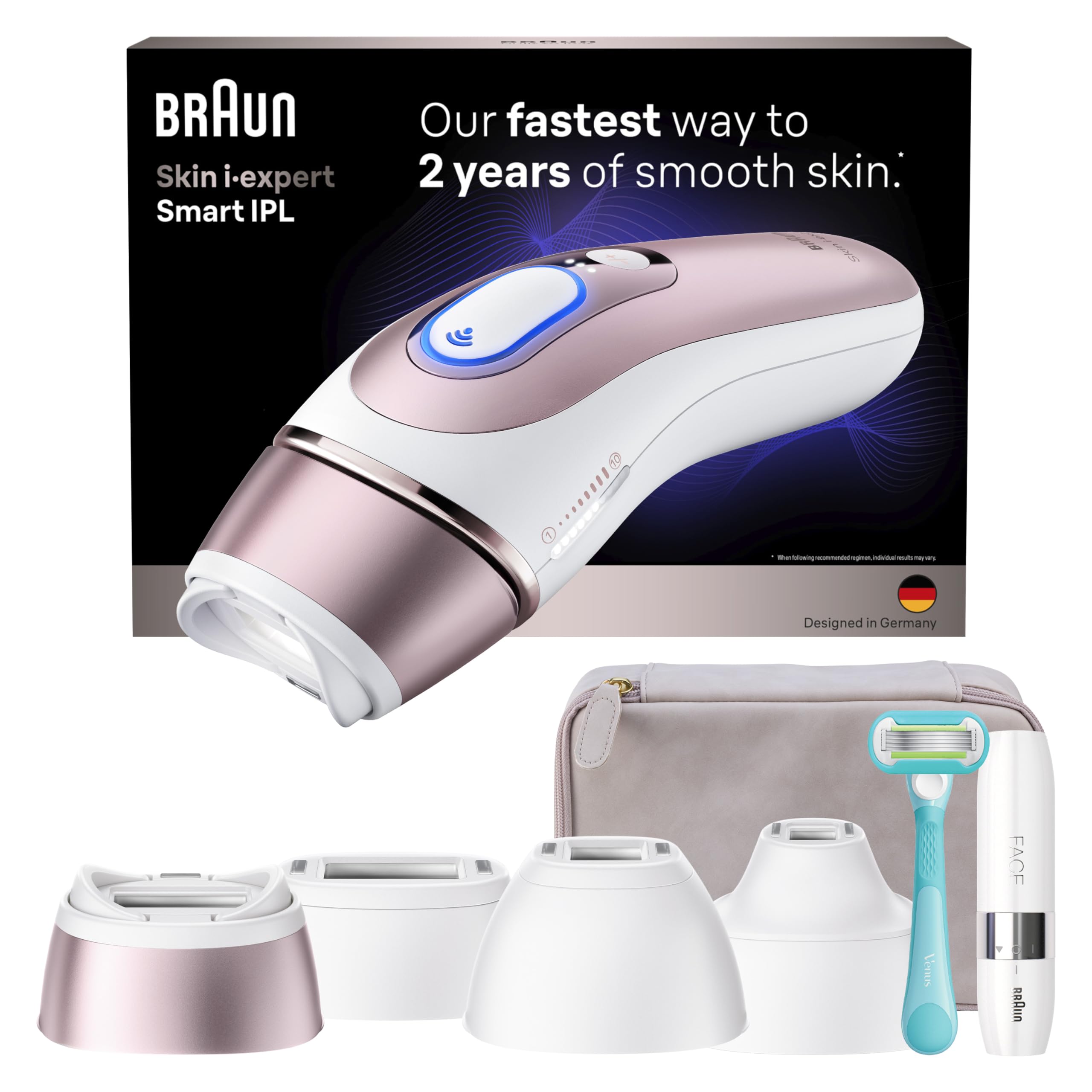
Braun's SensoAdapt sensor automatically adjusts flash intensity based on skin tone, reducing burn risk on medium to darker skin. This model carries over 7,000 reviews, making it one of the most documented IPL devices on the market -- its safety track record on Fitzpatrick III-IV is well established. Where it trails the top pick is on very dark skin (Fitzpatrick V-VI): some users with caramel-brown tones saw no visible reduction even after consistent use.

This unit suits users with light olive to tan skin who want the reassurance of a brand with broad real-world feedback and a built-in sensor. For those with Fitzpatrick V-VI skin (very dark brown to black), the mixed results mean the top pick -- which stops flashing on skin it cannot treat -- delivers more predictable outcomes. The Braun remains a solid option for its intended range, but the buyer needs to match their skin tone to the device's proven sweet spot.

Bottom line: Best suited for medium to olive skin tones who value a well-documented brand with a safety sensor. If your skin falls in the very dark range, the top pick offers more reliable results.

4

Braun Skin i-Expert Pro 7

Braun Skin i-Expert Pro 7

Tech-savvy app

Our Score 8.4/10
Check Price

Worth Noting

  • In a dark skin tone, the sensor may not deliver consistent results despite automatic adjustment
  • Some units can stop working after a few months of regular use
Skin Tone Sensor
Automatic skin tone adjustment
Cooling Mechanism
Energy & Flash Speed
100 flashes/min
Attachments & Coverage
3 smart heads + facial trimmer

This Braun model sets itself apart with a real-time coverage tracker that syncs to an app, showing exactly where you have and haven't flashed. That visual feedback helps prevent patchy results and makes sessions more methodical — a clear advantage for anyone who prefers data-driven progress over guesswork.

It works best for users with lighter to medium brown skin (Fitzpatrick III–IV) who appreciate smart guidance and want to track coverage. However, the skin sensor does not guarantee consistent results on deeper brown or black skin — some users with caramel-brown tones reported little to no reduction. Additionally, a subset of units have been noted to stop working after several months of normal use, so durability is an open question for long-term owners.

Bottom line: If you have lighter to medium brown skin and want app-driven session tracking, this Braun delivers. For deeper skin tones, the top-pick Ulike Air 10 has a stronger track record of consistent results.

5

Philips Lumea 9000

Philips Lumea 9000

Luxury salon feel

Our Score 8.6/10
Check Price

Worth Noting

  • Some units may stop functioning after limited use, though reports are few.
  • Premium-priced compared to devices with equivalent feature sets.
Skin Tone Sensor
SenseIQ 3 sensors
Cooling Mechanism
Intelligent skin contact cooling
Energy & Flash Speed
Not specified
Attachments & Coverage
4 curved attachments

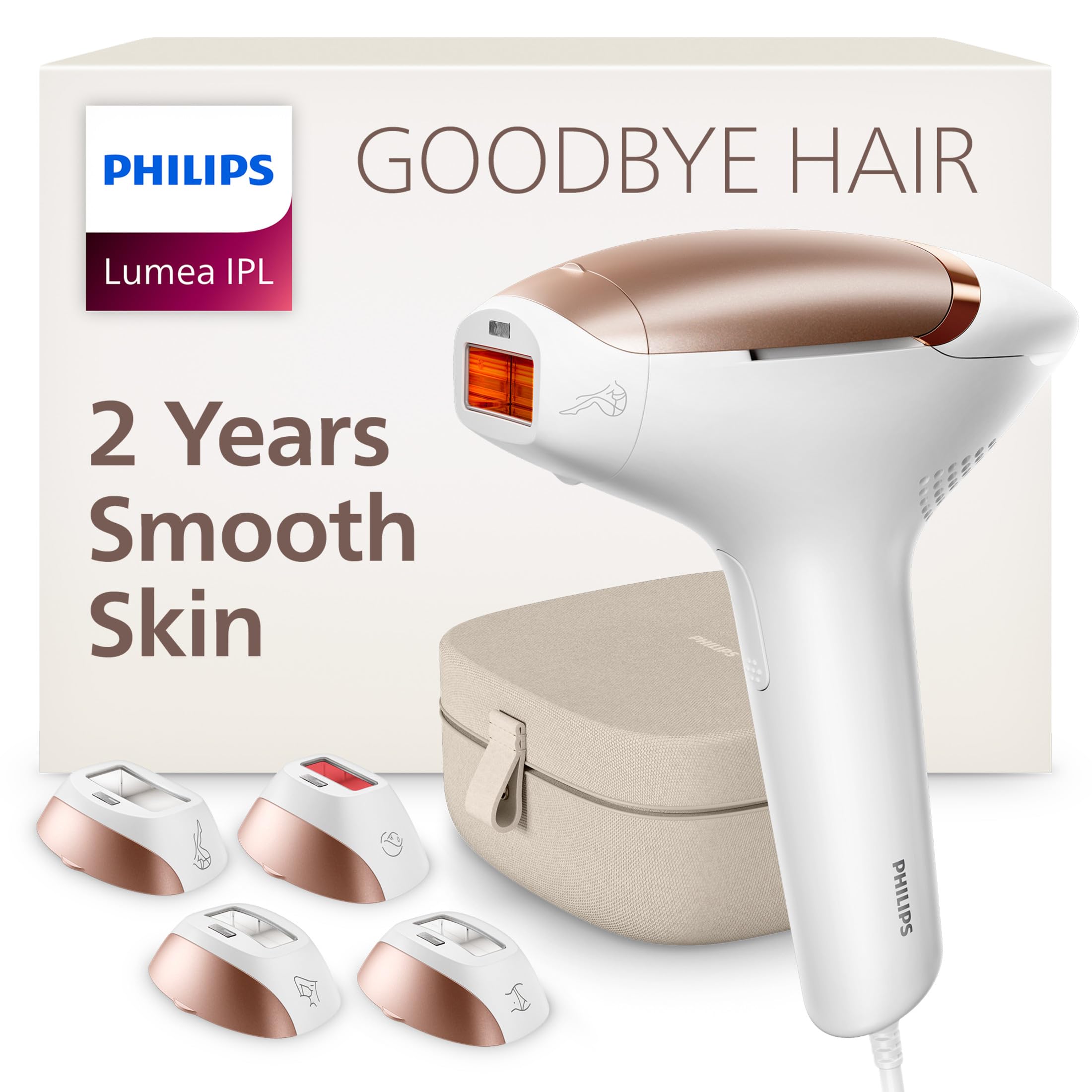
The Philips Lumea 9000 stands apart with its SenseIQ system — three sensors that read skin tone and adjust flash temperature in real time, paired with four contoured attachments designed to fit face, bikini, underarms, and body curves. The device feels solid and the included app tracks your sessions, which adds structure for newcomers.

This is the right pick if you value a premium, salon-like experience and want guided treatment logging. The SenseIQ sensor makes it safe for darker skin tones by preventing overheating. However, Philips does not disclose the actual energy output (estimated ~5J/cm²), so it is harder to compare raw power against devices like the Ulike Air 10. The price is also significantly higher than most competitors with similar specifications.

Bottom line: Buy the Philips Lumea 9000 if you want a polished, sensor-guided experience with a full set of attachments and don't mind paying extra for the brand's clinical research pedigree — just know the energy spec isn't public, so comparing value with the top pick requires trusting the results instead of the numbers.

6

Braun Silk Expert Pro 3

Braun Silk Expert Pro 3

First-time budget

Our Score 8.2/10
Check Price

Worth Noting

  • Not effective on blonde, gray, or light-colored hair
Skin Tone Sensor
Skin Pro auto-adapts
Cooling Mechanism
Energy & Flash Speed
100 flashes/min
Attachments & Coverage
Head-to-toe standard

Braun's Silk Expert Pro 3 brings the SensoAdapt skin sensor to an entry-level price, making it a cost-effective entry into at-home IPL. It reduces hair growth on legs, with a gentle mode for sensitive skin. However, long-term performance data on darker skin is limited compared to higher-tier Braun models, and like all IPL, it does not treat blonde or gray hair. This is a reasonable choice for first-time users with medium skin who want Braun reliability without the premium price.

Bottom line: Best for budget-conscious first-time IPL users with medium skin who value the Braun brand and sensor technology, but not for those with light hair or seeking extensive dark-skin performance data.

7

Michael Todd Lumos

Michael Todd Lumos

Cautious early adopters

Our Score 8.8/10
Check Price

Worth Noting

  • Skin sensor's ability to adapt to darker skin tones is unconfirmed; safety on Fitzpatrick IV-VI is not established.
Skin Tone Sensor
Built-in skin sensor (claimed)
Cooling Mechanism
Coolmax 50°F
Energy & Flash Speed
Attachments & Coverage

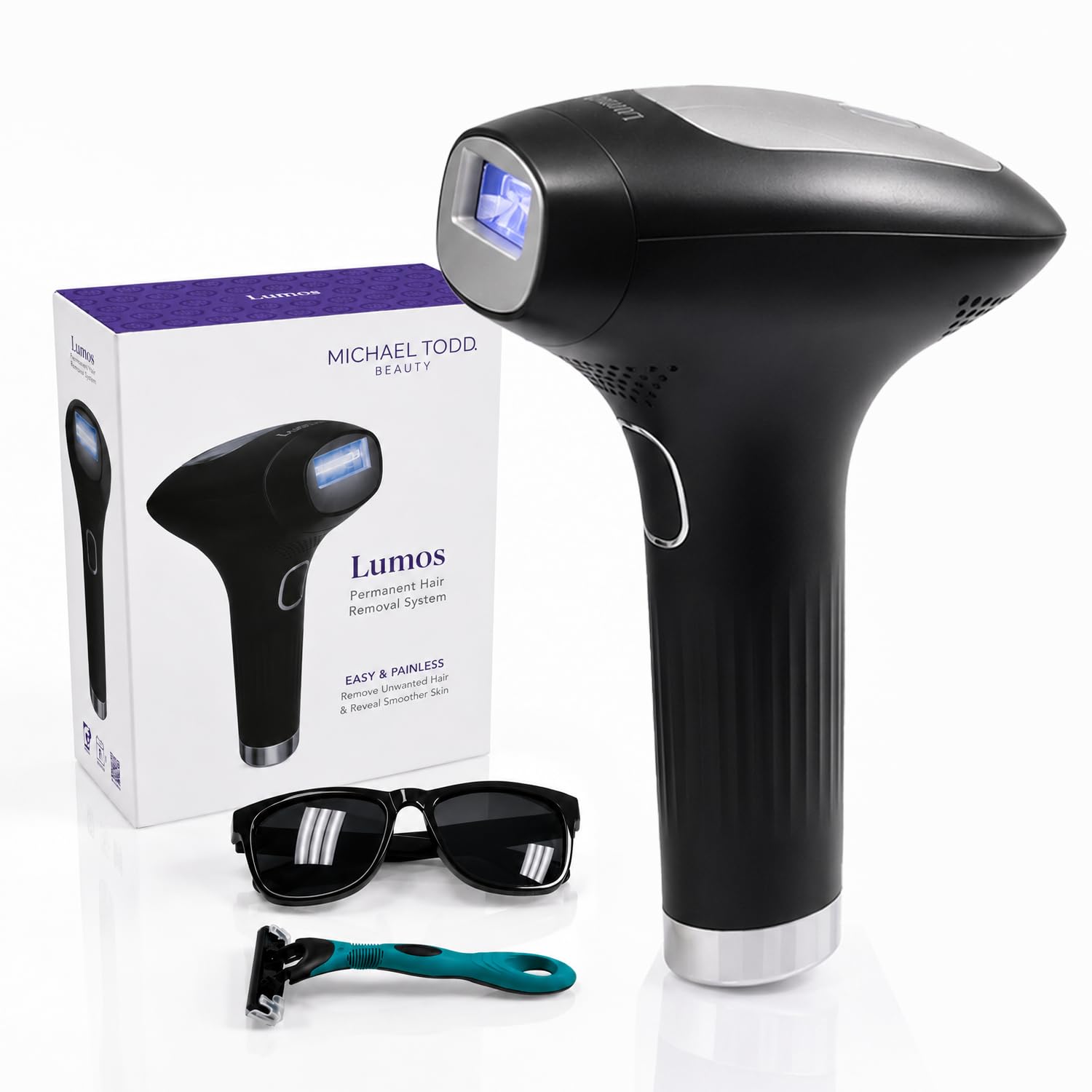
The Michael Todd Lumos brings a built-in skin sensor and Coolmax cooling to a mid-range price point, making for comfortable sessions. Its 9 power levels and high flash count offer flexibility. However, the sensor's behavior on darker skin is not defined, and without a track record of use on Fitzpatrick IV-VI, it's best considered for lighter skin tones only.

Bottom line: Suitable for light to medium skin tones seeking a cooling IPL from a US brand, but not advisable for dark skin until more real-world data emerges.

How to Choose

Skin Tone Sensor & Adaptive Technology

The skin sensor is the only feature that directly prevents burns on dark skin. It measures melanin and either adjusts the flash intensity or shuts off the device if your skin is too dark. Devices that only lower power still emit a flash, which can cause burns on Fitzpatrick V–VI skin. Look for models that explicitly stop the flash, not just reduce it.

Some sensors are marketed as 'adaptive' but only adjust within a safe range. For very dark skin, even the lowest setting may be too high. The safest approach is a sensor that blocks the flash entirely when skin tone exceeds the safe threshold.

Energy Output and Flash Speed

Higher energy (measured in Joules) allows deeper hair follicle penetration, which is more effective on coarse hair. But for dark skin, high energy without adequate cooling increases burn risk. Devices with 5J to 26J are typical – the higher end is paired with sapphire cooling to keep skin safe.

Flash speed determines session length. A device that flashes every 0.4 seconds can cover legs in under 10 minutes, while slower devices may take 20 minutes. Faster speeds are convenient but can reduce precision if you miss spots. For dark skin, taking extra time to avoid overlapping flashes is worth it.

Cooling Mechanism

Cooling is not just for comfort – it directly reduces the risk of thermal injury. Sapphire ice-cooling heads maintain a contact temperature below 65°F, which numbs the skin and allows the IPL to deliver higher energy safely. Without cooling, even moderate energy levels can cause burning on dark skin.

Basic cooling systems use air or gels that lose effectiveness over time. Sapphire cooling is consistent and lasts through long sessions. If you have dark skin, prioritize devices with active ice-cooling over passive systems.

Attachments and Coverage Area

Attachments play a larger role in safety than most buyers realize. Curved attachments ensure the device sits flush on contoured areas like the jawline or bikini line, preventing accidental gaps that can cause uneven treatment. Precision heads are essential for facial hair – using a wide head on the face increases the risk of hitting the eyes or lips.

Coverage area determines how many passes you need. A larger window means fewer flashes, but also less precision. For large areas like legs, a wider head speeds up sessions. For small areas, a precision head with a smaller window reduces waste and ensures each flash is effective.

Frequently Asked Questions