Hair Care

13 Best Conditioner for Damaged Hair of 2026: Match Repair to Your Hair Type

Find the right conditioner for your damaged hair - whether you need bond repair, deep moisture, or lightweight daily care. No single formula works for all damage types.

Damaged hair presents a specific challenge: many conditioners promise repair but deliver only temporary softness while the underlying breakage continues. The real distinction lies between structural repair that rebuilds broken bonds and moisture masks that soften the surface.

Each serves a purpose, but only one actively strengthens hair from within. Choosing the wrong type can stall progress. This guide helps you match your hair's damage profile - chemical, heat, or mechanical - to the formula that actually addresses it.

1

Olaplex No.5 Bond

Top Pick
Olaplex No.5 Bond

Chemically damaged hair

Our Score 9.2/10
Check Price

Worth Noting

  • Some users find the smell unpleasant
  • Premium pricing per ounce compared to drugstore conditioners.
Type
Rinse-out
Key Restorative Ingredients
Bond repair

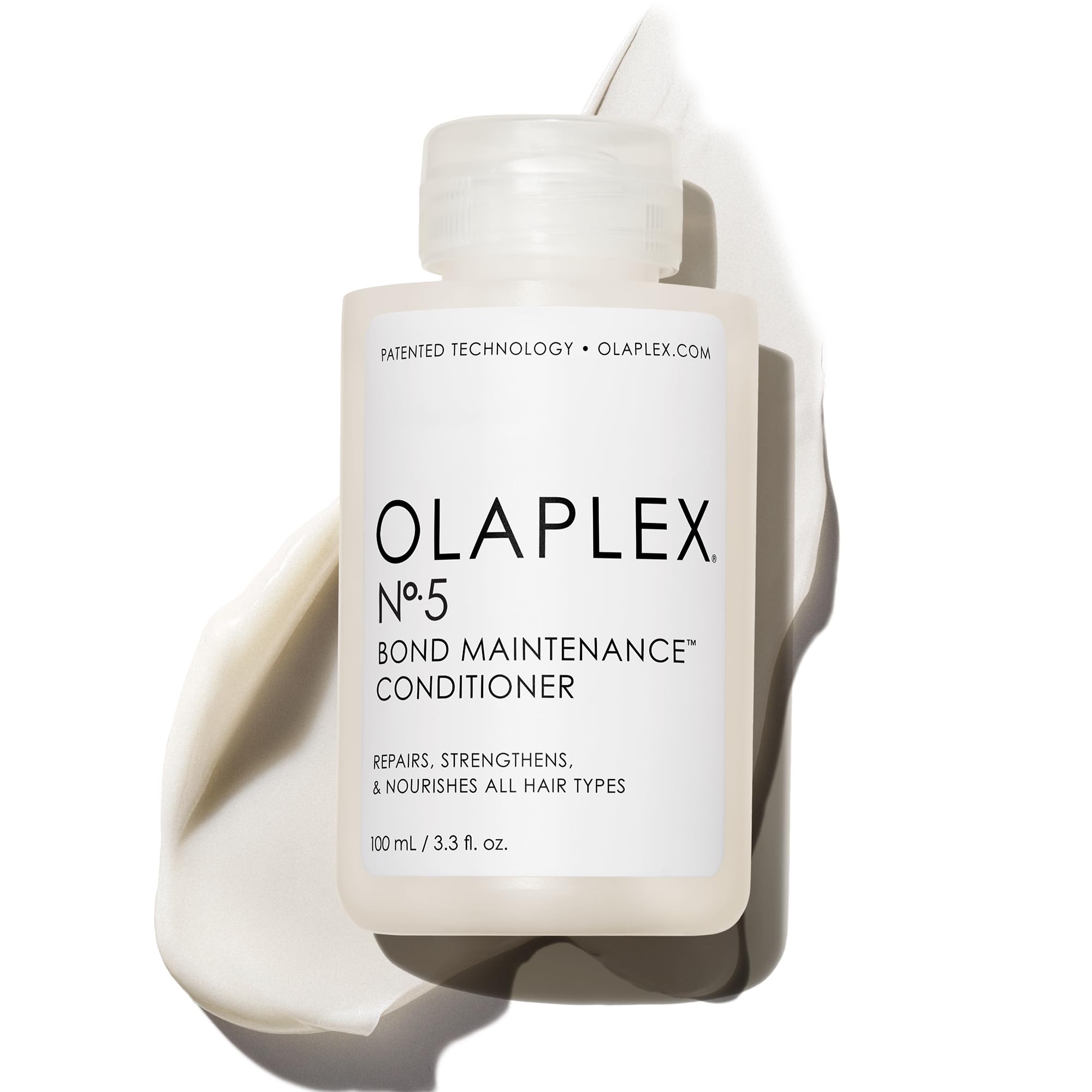
Olaplex No.5 uses patented bond-repair technology to reform disulfide bonds, directly addressing damage from chemical treatments and heat. Its concentrated formula conditions without heavy buildup, and users see reduced breakage after consistent use.

Best suited for those with chemically damaged or over-processed hair who prioritize structural repair. Fine hair that gets easily weighed down may find this too heavy. Expect to pair it with a moisturizing product if your hair is naturally dry or coarse – the bond-building action can leave hair feeling stiff without complementary hydration.

Tip: This conditioner can be drying on its own; follow with a leave-in or oil for added moisture.

Bottom line: For chemically damaged hair, Olaplex No.5 offers a structural fix that other conditioners don't – just plan for extra moisture if your hair leans dry.

2

Karseell Collagen Mask

Karseell Collagen Mask

Dry damaged hair

Our Score 9.4/10
Check Price

Worth Noting

  • Can leave fine hair heavy or greasy if used too frequently or left on too long.
  • Strong floral scent may be overpowering for those sensitive to fragrance.
Type
Deep mask
Key Restorative Ingredients
Collagen, argan, shea

This collagen and argan oil mask provides deep moisture that visibly softens and smooths damaged hair after a single treatment. Best suited for those with dry, curly, or textured hair who want an intensive weekly deep conditioner rather than a daily rinse-out. Overuse can leave fine hair heavy, so it works better as a once-a-week treatment.

Tip: Use once weekly and rinse thoroughly after 5-10 minutes to avoid buildup on finer hair.

Bottom line: For those needing intense moisture without bond repair, this mask offers exceptional value per jar for weekly use.

3

BioSilk Silk Therapy

BioSilk Silk Therapy

Frizz-prone hair

Our Score 9.6/10
Check Price

Worth Noting

  • Applying too much can weigh down fine hair
  • The powdery floral scent may be noticeable for those sensitive to fragrance.
Type
Leave-in
Key Restorative Ingredients
Silk proteins

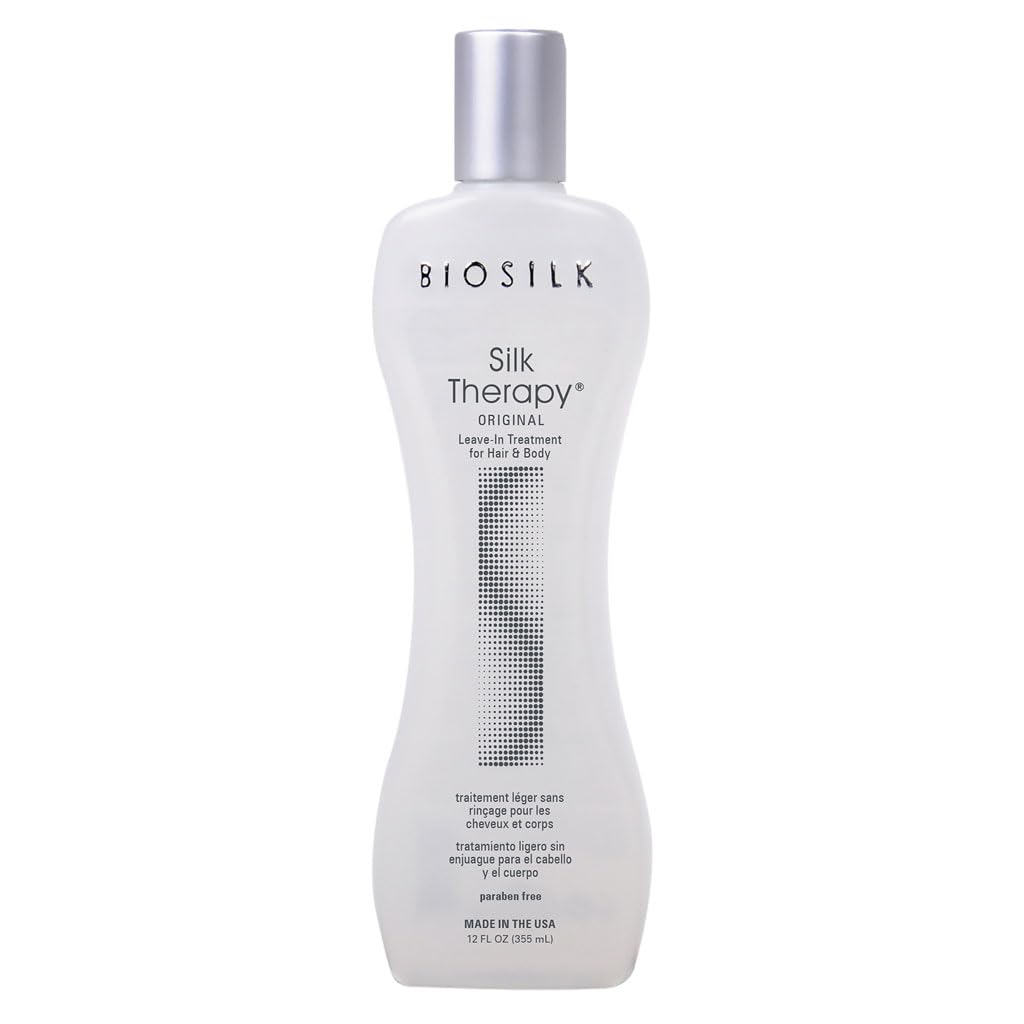
BioSilk Silk Therapy uses silk proteins to smooth and add shine without the heaviness of a cream or oil. Unlike heavy deep masks designed for coarse hair, this lightweight leave-in suits fine to medium hair that needs moisture without weight. It works as a detangler and heat protectant, but it won't rebuild damaged bonds — it's a surface-level smoother. The catch: applying too much can weigh down fine hair, so start with a small amount and adjust.

Tip: Start with a small amount to avoid weighing down fine hair.

Bottom line: A solid choice for fine to medium hair seeking a quick, lightweight leave-in with shine and detangling, but not a deep repair treatment for damaged hair.

4

Redken All Soft

Redken All Soft

Fine dry hair

Our Score 9.2/10
Check Price

Worth Noting

  • Premium-priced for the bottle size, making cost per use high
  • May not provide enough moisture for very coarse or severely dry hair
Type
Rinse-out
Key Restorative Ingredients
Argan oil

Redken's argan-oil-based formula delivers noticeable softness and shine manageability for fine-to-medium dry hair, with enough slip for easy detangling. The subtle scent and frizz control add to its daily-use appeal.

Best suited for those with dry, brittle hair on the finer side who want a lightweight moisturizer rather than a heavy repair mask. Coarse, curly, or severely damaged hair may find the hydration insufficient and require a leave-in or deep treatment.

Tip: For extra moisture on dry ends, layer with a lightweight leave-in or use the matching Redken All Soft shampoo.

Bottom line: A dependable daily conditioner for fine-to-medium dry hair that delivers consistent softness and shine, but those with very coarse or severely damaged hair will need a heavier mask or leave-in.

5

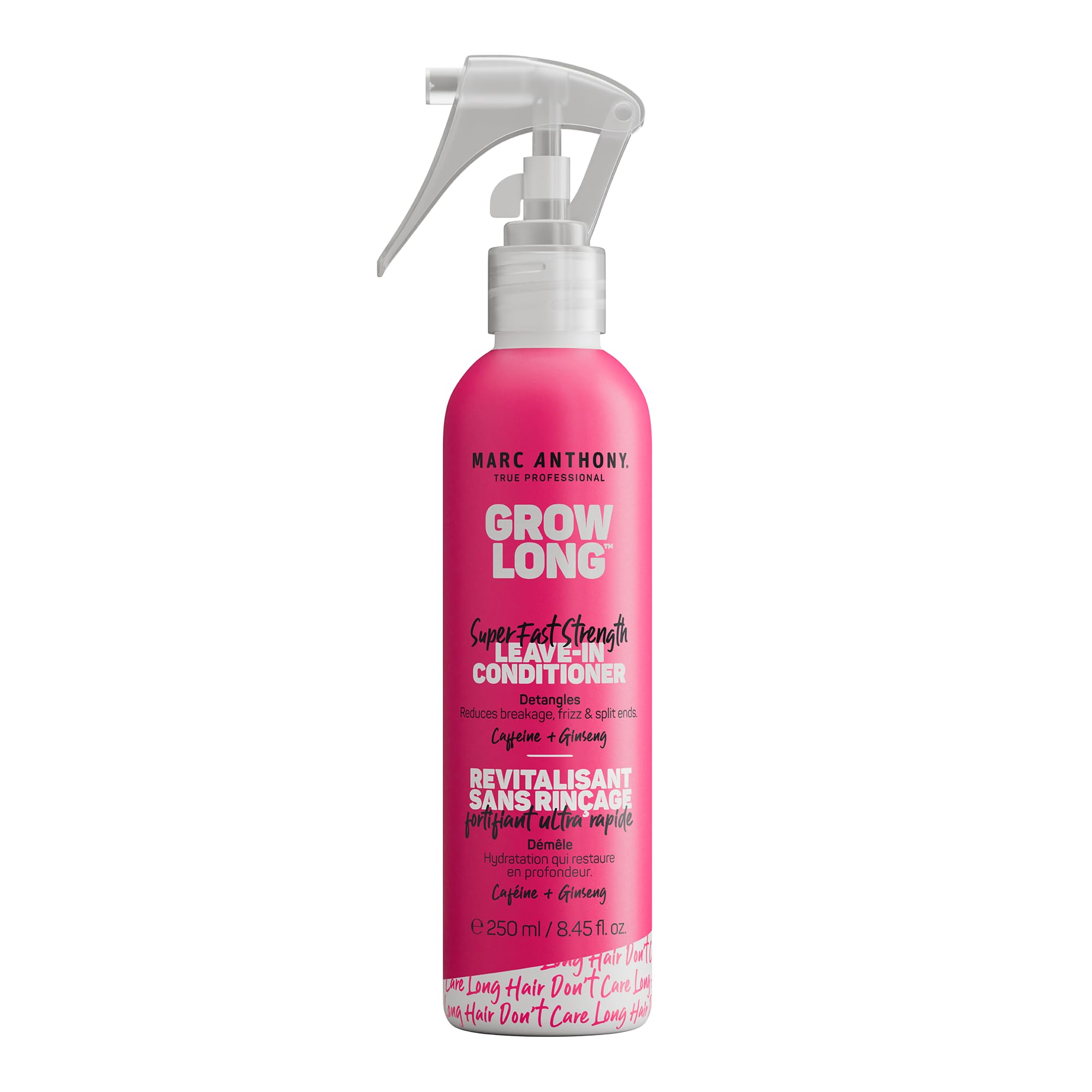
Marc Anthony Grow Long

Marc Anthony Grow Long

Long hair detangling

Our Score 9.0/10
Check Price

Worth Noting

  • Can make hair sticky or greasy if over-sprayed
  • May weigh down fine, straight hair
Type
Leave-in spray
Key Restorative Ingredients
Biotin, ginseng, caffeine

The Marc Anthony Grow Long spray delivers impressive detangling and softness at a budget-friendly price, outperforming many costlier alternatives for long hair. It contains biotin and ginseng to help with split ends and breakage, making it a practical addition to a damaged-hair routine. However, it requires a light hand: fine or straight hair can feel weighed down, and over-spraying leads to stickiness. Best suited for those with long, curly, or wavy hair who want a quick detangling step without a heavy commitment.

Tip: Apply 2-3 spritzes on damp hair and distribute evenly; avoid saturating roots.

Bottom line: A cost-effective detangling spray for budget-conscious shoppers with long, wavy, or curly hair, provided you control the amount used.

6

SheaMoisture Intensive

SheaMoisture Intensive

Curly coily hair

Our Score 9.2/10
Check Price

Worth Noting

  • Very thick consistency can be hard to spread on damp hair
  • Strong floral scent may be off-putting to those sensitive to florals
Type
Deep mask
Key Restorative Ingredients
Manuka honey, mafura

Manuka honey and mafura oil provide deep hydration that softens and smooths thirsty curls. Unlike lighter argan oil masks, this formula is heavy — best reserved for thick, damaged hair that craves moisture. Ideal for those with curly, coily, or textured hair seeking deep conditioning on a budget, but the thick consistency may require effort to spread and the strong floral scent won't suit those sensitive to fragrances.

Tip: Apply to soaking wet hair or mix with a few drops of water to make spreading easier.

Bottom line: A cost-effective deep conditioning treatment for textured hair that prioritizes moisture over lightweight performance.

7

Pureology Hydrate

Pureology Hydrate

Color-treated hair

Our Score 9.4/10
Check Price

Worth Noting

  • Cost per ounce is steep, making daily use a notable expense
Type
Rinse-out
Key Restorative Ingredients

This conditioner delivers deep hydration for dry, color-treated hair, leaving strands soft and shiny. It avoids greasiness even on medium to thick hair. However, the price per ounce is high, and the medicinal fragrance can be off-putting for some — better suited for those who prioritize salon-level results over budget or scent neutrality.

Bottom line: A strong pick for those with dry, color-treated, medium-to-thick hair who want salon-level softness and shine and can accept a higher price and a divisive scent.

8

Biolage Ultra Hydra

Biolage Ultra Hydra

Very dry hair

Our Score 9.4/10
Check Price

Worth Noting

  • Thick, waxy consistency can be difficult to rinse and may weigh down fine hair
Type
Rinse-out
Key Restorative Ingredients
Cupuaçu butter, salicylic

This conditioner delivers intense moisture for very dry, coarse hair, softening and controlling frizz effectively. The thick, waxy formula requires thorough rinsing and can weigh down fine hair, making it a targeted choice rather than a universal option. The premium price reflects its potency but may feel steep for those with less demanding hair.

Bottom line: Ideal for very dry, thick, or curly hair that craves heavy moisture and can handle a richer formula.

9

Arvazallia Argan Mask

Arvazallia Argan Mask

Dry damaged hair

Our Score 9.0/10
Check Price

Worth Noting

  • May feel too heavy for fine hair if used more than once a week.
Type
Deep mask
Key Restorative Ingredients
Argan oil

This argan oil mask provides intense moisture and frizz control for dry, damaged hair, leaving it noticeably softer. But it is purely a moisturizing treatment, not a bond repair. The strong floral scent and potential heaviness on fine hair mean it works best as a weekly treatment for those who prioritize softness over structural repair.

Bottom line: Best for those with dry or coarse hair seeking a budget-friendly deep conditioning mask, provided you can tolerate the strong scent and limit use to weekly.

10

It's a 10 Miracle

It's a 10 Miracle

Damaged hair repair

Our Score 9.4/10
Check Price

Worth Noting

  • Overapplication may leave hair sticky or greasy
Type
Leave-in
Key Restorative Ingredients

Repairs split ends, detangles, and protects from heat in one leave-in. The 4 oz bottle runs small for the cost, and overapplying can cause stickiness. It works best as a daily detangler for damaged hair that needs heat protection.

Bottom line: Best for those who want a multi-purpose leave-in for damaged hair, but budget-conscious buyers may prefer the BioSilk leave-in with more product per dollar.

11

amika soulfood mask

amika soulfood mask

All hair types

Our Score 9.4/10
Check Price

Worth Noting

  • Premium price for the size compared to other hydrating masks
Type
Deep mask
Key Restorative Ingredients

This mask delivers impressive softness and shine with a lovely fragrance, making it a treat for dry hair needing hydration. But it is purely a moisturizing treatment — no bond repair or protein. For severe damage, the cheaper SheaMoisture or Karseell alternatives provide better value per use, and fine hair may find it heavy with frequent use.

Bottom line: A good option for those wanting a luxury hydration experience, but not the best pick for repairing severe damage on a budget.

12

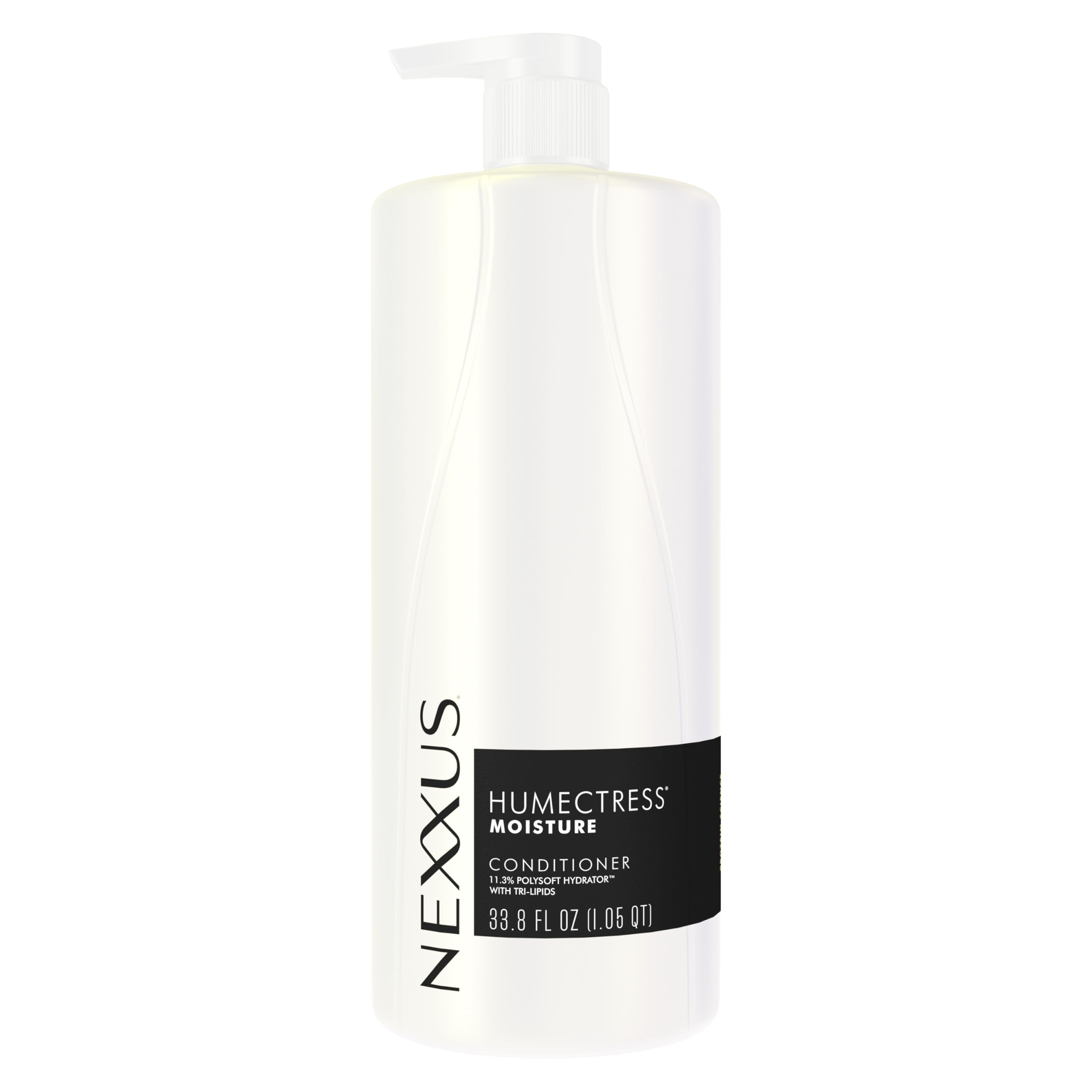
Nexxus Humectress

Nexxus Humectress

Dry hair moisture

Our Score 9.4/10
Check Price

Worth Noting

  • Pump mechanism can be difficult to use or may fail
Type
Rinse-out
Key Restorative Ingredients
Tri-lipids

This large-format conditioner provides consistent moisture for daily use on dry hair, leaving it softer and smoother. However, it focuses on hydration rather than structural repair, so it won't address bond damage. The pump mechanism can be troublesome, and formula changes have disappointed some.

Bottom line: Best suited for daily maintenance of dry, undamaged hair; not a solution for chemically damaged or broken strands.

13

Moroccanoil Hydrating

Moroccanoil Hydrating

Normal dry hair

Our Score 9.2/10
Check Price

Worth Noting

  • Moisture depth may be insufficient for severely dry or damaged hair
Type
Rinse-out
Key Restorative Ingredients
Argan oil, red algae

This rinse-out conditioner softens normal to slightly dry hair with argan oil and red algae, leaving a pleasant signature scent. Buyers with severely damaged hair will find it insufficiently moisturizing, and the small bottle size is a drawback given the luxury price.

Bottom line: Best suited for fine to medium hair needing light moisture and a luxury fragrance; those with severely damaged hair should look to bond-repair formulas instead.

How to Choose

Type: Rinse-Out, Leave-In, or Deep Mask

Rinse-out conditioners provide daily hydration and slip but may not deliver enough repair for severely damaged hair. Leave-ins add a protective layer and are ideal for detangling and frizz control between washes.

Deep masks penetrate longer and are best for weekly treatment. The trade-off: leave-ins can weigh down fine hair if overused, while deep masks require extra time and rinsing. Match the type to your hair's porosity and how often you're willing to condition.

Key Restorative Ingredients

Proteins (collagen, silk, keratin) temporarily patch cuticle gaps but can cause brittleness if used too often. Oils (argan, shea, mafura) soften and seal moisture but do not repair broken bonds. Bond-building technologies like Olaplex's patented system actually reform disulfide bonds for lasting strength.

For chemically damaged hair, prioritize bond repair over surface smoothing. For dry but not broken hair, oils and proteins are sufficient. A combination approach - alternating a bond repair conditioner with a moisturizing mask - often yields the best results.

Sulfate and Paraben Free

Sulfates strip natural oils and can worsen damage, while parabens are preservatives linked to scalp sensitivity. Many conditioners now advertise as sulfate-free, but paraben-free is less common. For color-treated or extremely dry hair, avoiding both is a safety net.

However, 'free-from' claims do not guarantee performance. Some sulfate-free formulas still contain harsh surfactants. Check the ingredient list for sodium lauryl sulfate (SLS) and sodium laureth sulfate (SLES) specifically.

Hair Type Compatibility

Fine hair requires lightweight, non-greasy formulas to avoid flattening. Coarse, curly hair thrives on rich butters and oils. Conditioners labeled for 'all hair types' often compromise on weight, making them too heavy for fine strands and not rich enough for thick curls.

The mistake: assuming a product works for your hair type because it's labeled for 'damaged hair.' Damage level matters less than texture. A heavy mask designed for dry, coarse hair can suffocate fine hair with moisture overload.

Concentrated Formula

A concentrated conditioner requires less product per use, lowering the effective cost per application. Olaplex No.5 is often cited as 'a little goes a long way,' meaning a small bottle lasts longer than a cheap, watery conditioner that requires heavy hand.

Look for thick, creamy textures that spread easily without dripping. If a conditioner feels watery in the bottle, expect to use more per wash. Concentrated formulas also reduce the risk of over-application and weigh-down.

Frequently Asked Questions