Wellness

Best Protein Powder for Women to Lose Weight of 2026

Protein powder is a category where the label and the spoon tell two different stories. Plenty of the tubs marketed to women trying to lose weight are dessert mixes with a scoop of protein thrown in — 200 calories, a long list of added sugars, and a flavor that vanishes the moment you read the nutrition panel. The ones that genuinely deliver 20 or 30 lean grams a serving tend to taste like the tub they shipped in. What you want is the rare middle: a shake worth drinking that also quiets a hunger pang without quietly adding a meal's worth of calories.

We spent four months with 14 tubs — whey, isolate, and plant-based, in chocolate, vanilla, strawberry, and unflavored — shaken with water, blended with frozen fruit, and stirred into oatmeal. My one piece of advice for a first purchase: "high protein" on the front means almost nothing, so read the scoop size, the calories, and the sugar on the back before committing to a five-pound tub. What earned a permanent spot on my counter is below.

1

Dymatize ISO100

Top Pick
Dymatize ISO100

Calorie control

Our Score 9.0/10
Check Price

Worth Noting

  • Tub arrives with noticeable empty space
  • Costs more per serving than budget picks
Protein Type
Whey isolate
Sugar Per Serving
0.04 oz
Protein Per Serving
0.88 oz
Calories Per Serving
Under 120

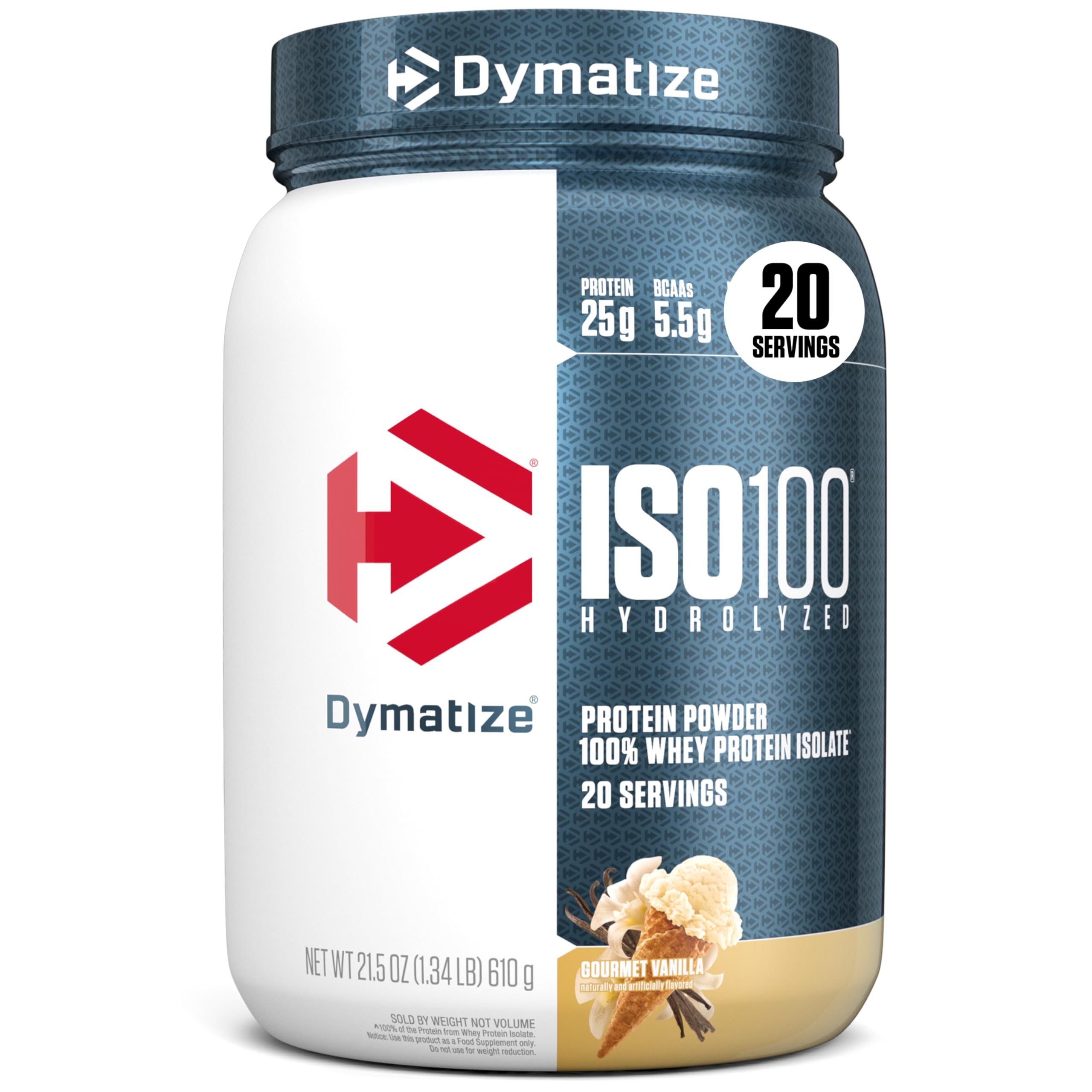
Under 120 calories and 1 gram of sugar for 25 grams of protein is the ratio that made ISO100 our top pick. In a category where weight-loss powders often mean a low-protein shake with a long ingredient list, this one keeps the math simple: a lean whey isolate, 5 grams of BCAAs, and a thin texture that disappears into water. We mixed it in a shaker with cold water and got a clean, drinkable shake without the chalky coat some isolates leave behind.

The vanilla is sweet but not dessert-sweet, which is why we kept reaching for it as a between-meals shake rather than a treat. It also sits light for a whey powder; the isolate formula is the leaner side of whey, and it sat easily for us. If you have reacted badly to whey blends before, an isolate is the version to try first—not a guarantee, but a more sensible starting point.

The trade-off is that this is a small tub, and it makes less sense if you are drinking two shakes a day or feeding a household. We also wished the vanilla had a little more acidity to cut the sweetness, though that is a small thing in a powder designed to be neutral.

For calorie-focused weight loss, though, that lean profile is the point. A scoop stirred into cold water is thin enough to drink quickly and leaves room for a real meal, which is more than we can say for the thicker chocolate shakes here.

Bottom line: ISO100 is the one we recommend when calories and protein are the whole point: 25 grams of protein, 1 gram of sugar, and a clean, easy-drinking shake.
2

Optimum Nutrition Gold Standard

Optimum Nutrition Gold Standard

Everyday shakes

Our Score 9.4/10
Check Price

Worth Noting

  • Vanilla flavor is sweeter than some expect
BCAAs
0.19 oz
Protein Type
Whey isolate and concentrate
Container Size
2 lb
Protein Per Serving
0.85 oz

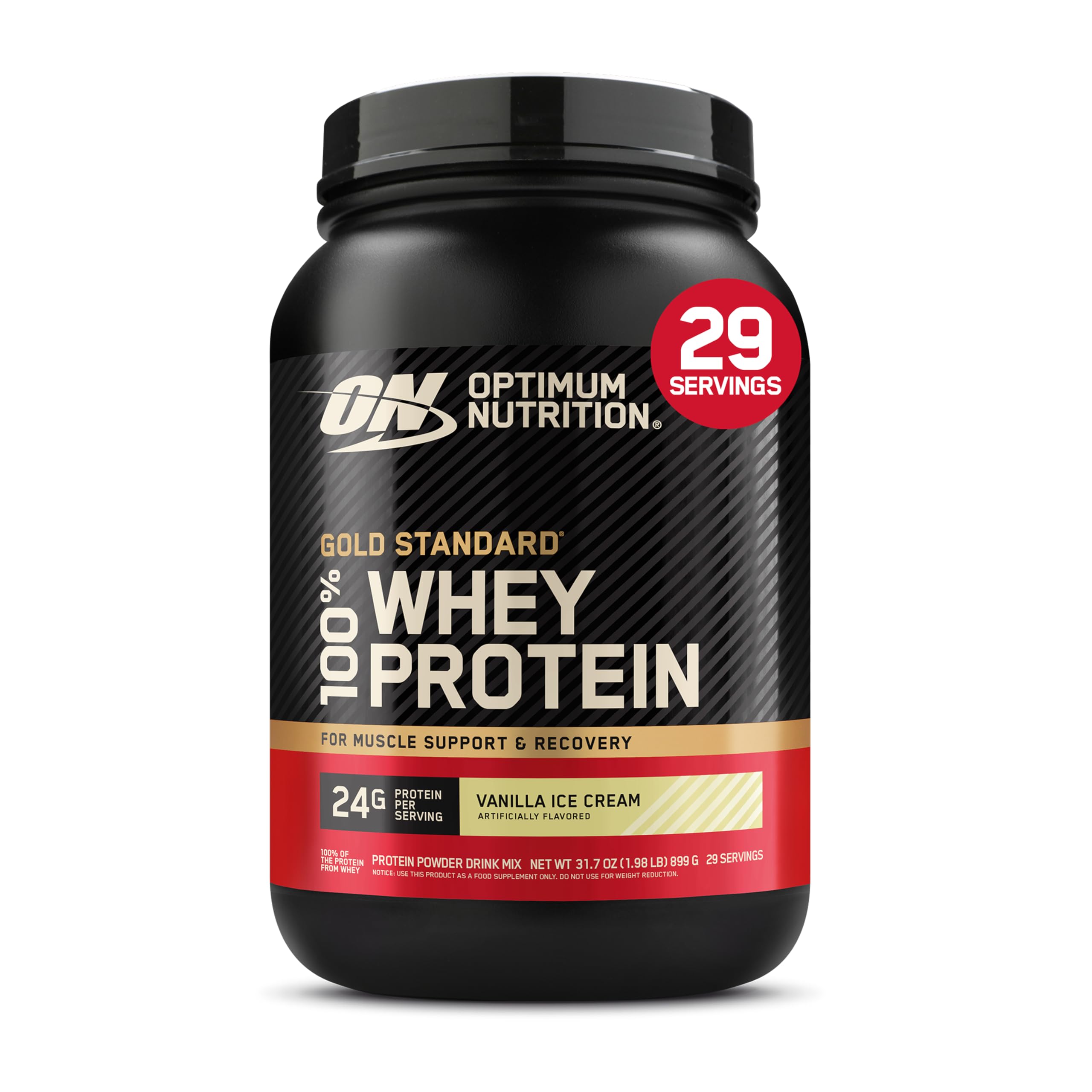
A scoop of Gold Standard disappeared into six ounces of water with a few shakes, and that easy mixing is the reason it stays in our rotation. The powder is instantized, so it does not need a blender or a long rest to lose its clumps; we got a smooth, creamy vanilla shake that tasted more like a melted shake than a supplement.

The numbers are the familiar ones: 24 grams of protein from whey isolate and concentrate, 5.5 grams of BCAAs, and 11 grams of EAAs. That makes it a useful all-purpose tub for a post-workout shake, a between-meals protein hit, or a scoop stirred into oats. We especially like that the vanilla is not aggressively sweet, so it plays well with fruit and coffee instead of fighting them.

It is not the leanest whey here. Because it is a blend rather than an isolate, it can sit heavier than ISO100, and the vanilla lands on the sweet side for some tasters. If you want one tub that covers more kitchen jobs and costs less per serving than the isolate, this is the one we point to.

Bottom line: Gold Standard is our pick when you want one familiar whey tub for shakes, oats, and baking, with clean mixing and a creamy vanilla that plays well with other flavors.

3

Premier Protein Powder

Premier Protein Powder

High-protein diets

Our Score 9.2/10
Check Price

Worth Noting

  • Container arrives partly empty
Sugar Per Serving
0.04 oz
Protein Per Serving
1.06 oz
Calories Per Serving
150
Servings Per Container
17

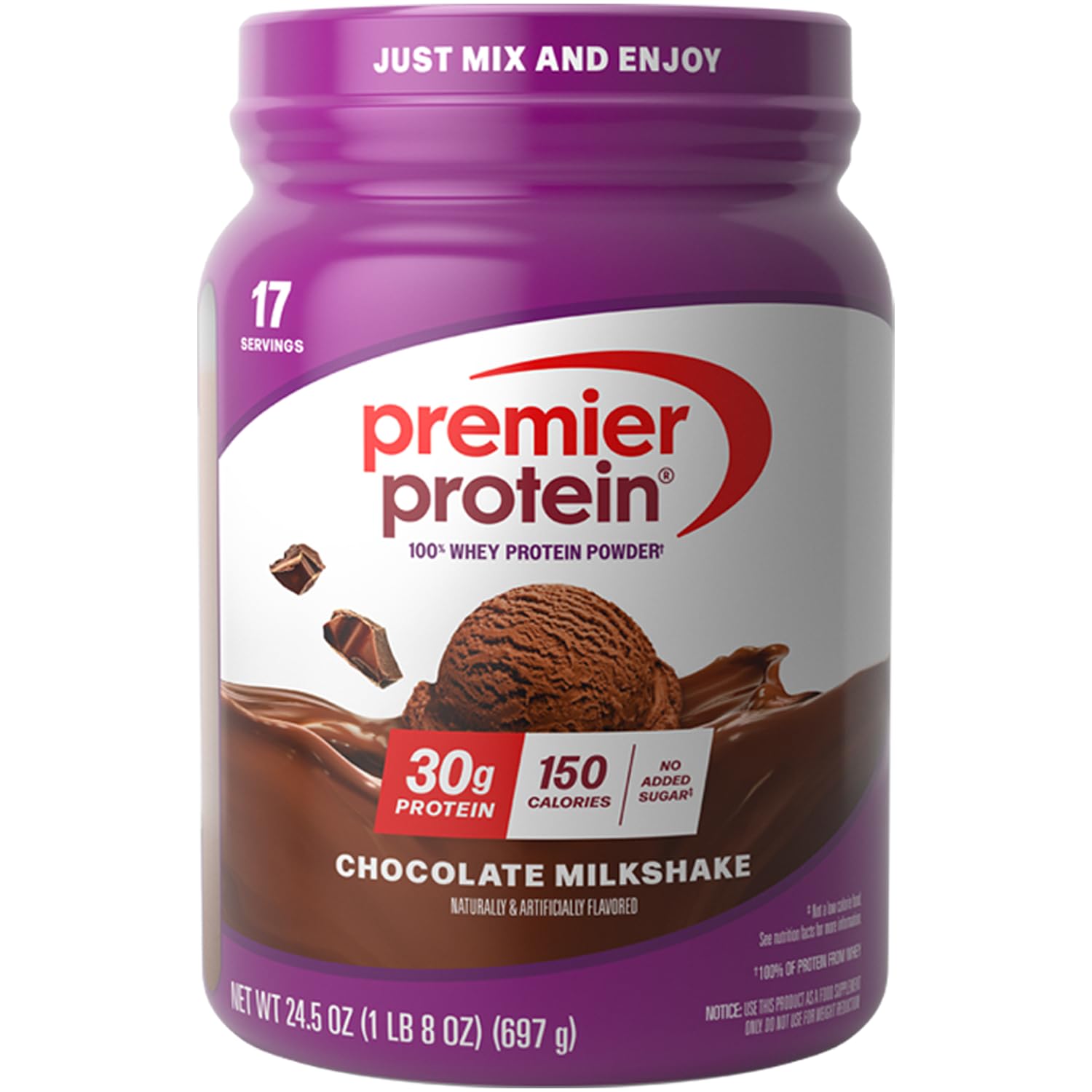
Thirty grams of protein for 150 calories is the reason Premier Protein earns a place here. The chocolate version is the rare protein shake that tastes like a treat rather than a vitamin drink, and with 1 gram of sugar and 3 grams of carbs, it fits a calorie-controlled day without tasting like it.

We noticed the texture is thicker than the isolates here, closer to a milkshake than a water-based shake. That makes it satisfying on its own, but it also means the powder needs help: put the water in the shaker first, then the powder, and shake hard. When we did that, it came out smooth; when we did not, it left lumps. The sweetness is balanced rather than syrupy, which is why it works as a standalone shake.

The catch is the tub: 17 servings go quickly if you use it daily, and the scoop is big enough that you will notice. It is a whey powder, so it is out if you avoid dairy. It is still our pick when you want a high-protein chocolate shake that keeps you full, not a neutral powder for cooking.

Bottom line: Premier is the pick when you want a high-protein chocolate shake that tastes like a treat and fits a low-sugar day, as long as you can live with a small tub.

4

Transparent Labs Whey

Transparent Labs Whey

Clean formulas

Our Score 9.4/10
Check Price

Worth Noting

  • Premium price per serving
Protein Type
Grass-fed whey isolate
Protein Per Serving
0.99 oz
Artificial Sweeteners
No
Servings Per Container
30

The ingredient list is the first thing we look at with a premium whey, and Transparent Labs keeps it short: grass-fed whey isolate, natural flavor, and no artificial sweeteners. That clean profile is the reason it earns a spot, not the marketing language around grass-fed dairy.

At 28 grams of protein per serving, it is the highest-protein scoop among our whey picks, and it mixes completely in water without the foam some isolates leave. The milk chocolate flavor is restrained—more cocoa than candy—and it sat easily for us, which matters if you have had bloating from cheaper blends. We also appreciate that the sweetness comes from something other than sucralose or aspartame, a detail that is hard to find at this protein level.

The formula is the reason to choose it: 30 servings, no artificial sweeteners, and easy digestion. It makes the most sense if those details are worth the upgrade. If you just want a reliable everyday whey, Gold Standard does the job.

Bottom line: Transparent Labs is the clean-label whey we choose when you want 28 grams of protein without artificial sweeteners, and you are willing to pay for the shorter ingredient list.

5

Orgain Organic Protein

Orgain Organic Protein

Plant-based diets

Our Score 9.0/10
Check Price

Worth Noting

  • Tub arrives partly empty relative to its size
Dietary Type
Vegan and gluten-free
Protein Type
Organic pea, brown rice, and chia
Sugar Per Serving
0.04 oz
Protein Per Serving
0.74 oz

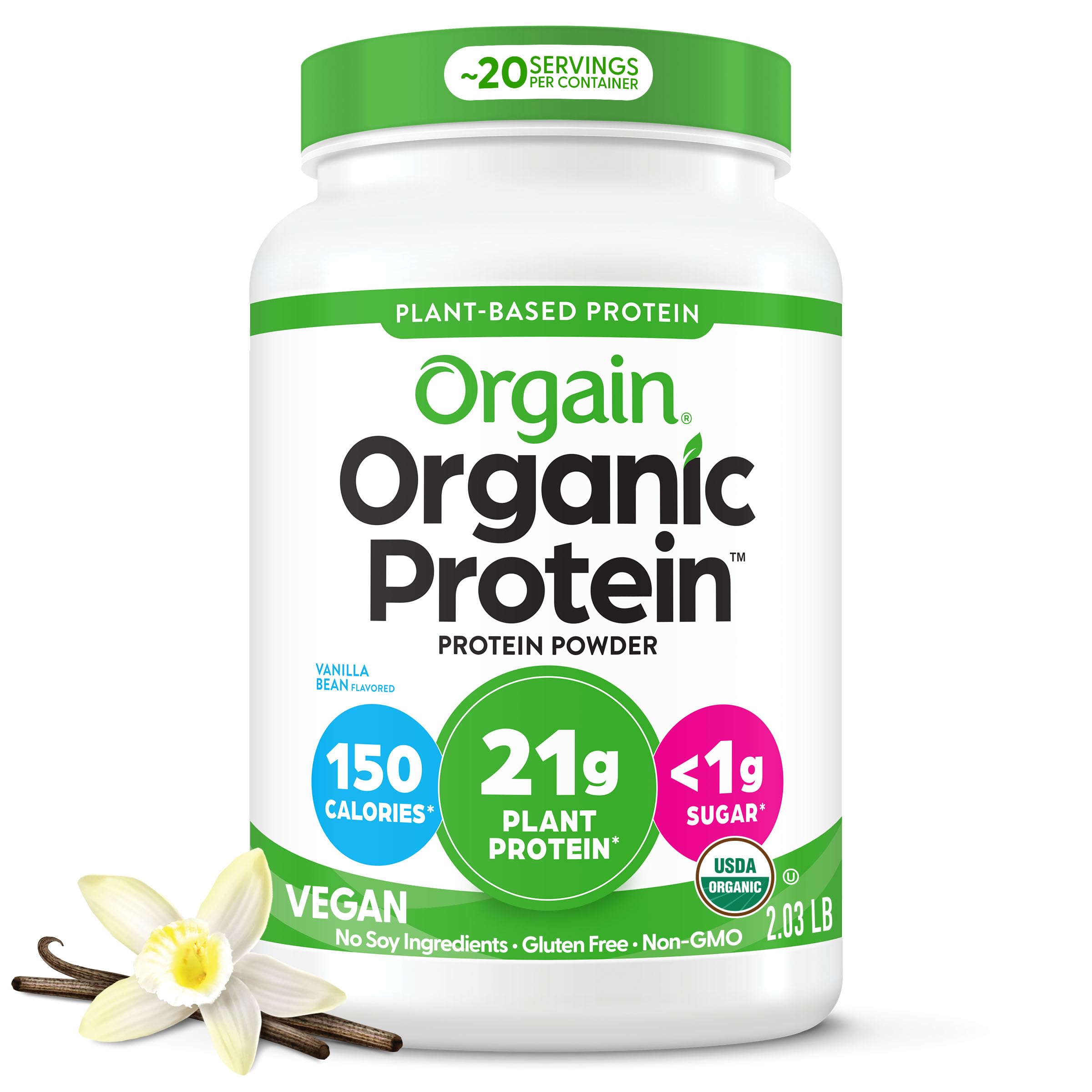
Plant-based protein usually asks for a trade-off, and Orgain's vanilla makes the bargain clear: you get organic pea, brown rice, and chia, 21 grams of protein, and just 1 gram of sugar, but you also get a texture that needs a blender.

In a smoothie with almond milk and a frozen banana, it is genuinely good. The vanilla is soft rather than candy-sweet, and the 1 gram of sugar means it does not hijack the fruit. We also like that it is vegan, gluten-free, and made without erythritol, which is more than a lot of plant powders can say. It is a useful option if you are avoiding dairy or want a more whole-food ingredient list, and it is one of the better plant-based options here for taste.

The texture is where we hesitate. Shaken with water, it stays gritty and chalky, and the last swallow is not pleasant. A high-speed blender fixes most of that, but it does not make it a quick shaker-bottle powder. Digestion is mixed, too; some of us felt fine, while others noticed gas. If you already know plant powders suit you, this is a solid choice; if you want smooth and simple, a whey isolate is the safer bet.

Bottom line: Orgain is our plant-based pick for dairy-free weight-loss shakes, with 21 grams of organic protein and 1 gram of sugar, provided you blend it rather than shake it.

6

SlimFast High Protein

SlimFast High Protein

Meal replacement

Our Score 9.2/10
Check Price

Worth Noting

  • Not a pure protein powder for macro tracking
Form
Meal replacement
Fiber Per Serving
0.18 oz
Protein Per Serving
20 g with milk
Vitamins And Minerals
24

SlimFast's high-protein mix is the one we reach for when a shake needs to do more than protein: it brings 5 grams of fiber, 24 vitamins and minerals, and a vanilla flavor that tastes like a soft-serve melt.

The protein headline is 20 grams when you mix it with milk, so the powder alone is not a 20-gram scoop. That is fine if you already make shakes with dairy or a fortified plant milk; it is less useful if you want a pure protein powder to stir into water. We found it blended smoothly in a shaker, with no gritty finish, and the fiber made it more satisfying than the calorie count alone would suggest. It is also gluten-free and easy to mix with a spoon, which matters on rushed mornings.

This is a meal replacement, not a protein supplement for hitting a precise macro target. It is best for a busy breakfast or a lunch substitute when you want something sweet and filling, and it is priced accordingly. If you need 25 to 30 grams of protein with no milk, choose a whey isolate instead; if you want a weight-loss shake that feels like a treat, this is the one we keep.

Bottom line: SlimFast High Protein is the meal replacement we keep for busy mornings when you want fiber, vitamins, and a vanilla shake that feels like a treat, not a pure protein powder.

7

Body Fortress Whey

Body Fortress Whey

Budget protein

Our Score 9.2/10
Check Price

Worth Noting

  • Sweetness is on the high side
Protein Type
Whey
Added Vitamins
C, D, and zinc
Container Size
1.78 lb
Protein Per Serving
1.06 oz

Body Fortress does the thing budget protein powders often fail to do: it puts 30 grams of protein in a tub that costs less than most of the competition here.

The strawberry flavor is the surprise. Mixed with water, it tastes like strawberry milk—sweet, a little artificial, but genuinely pleasant—and it does not have the chalky finish that makes cheap whey hard to finish. It also brings vitamins C and D and zinc, which is more than you expect at this price, and it is low in sugar with no aspartame. The tub is 1.78 pounds, so it is not a huge commitment.

Mixing is decent in a shaker, though it clumps if you add the powder before the water or stir it with a spoon. A blender fixes it. The bigger issue is the texture: it is thinner than Premier Protein, so it does not feel as filling, even with the same 30-gram protein hit. If you want a thick shake, this is not it.

What we keep coming back to is the value. It is not the smoothest or the most refined whey here, but it is a straightforward way to get 30 grams of protein without paying premium prices. For a budget tub, that is enough.

Bottom line: Body Fortress is the budget pick when you want 30 grams of protein per scoop and do not mind a sweeter strawberry shake that needs a shaker to mix cleanly.

8

Isopure Zero Carb

Isopure Zero Carb

Unflavored recipes

Our Score 8.8/10
Check Price

Worth Noting

  • Premium price per serving
Protein Type
Whey isolate
Sugar Per Serving
0 g
Protein Per Serving
0.88 oz
Vitamins And Minerals
20

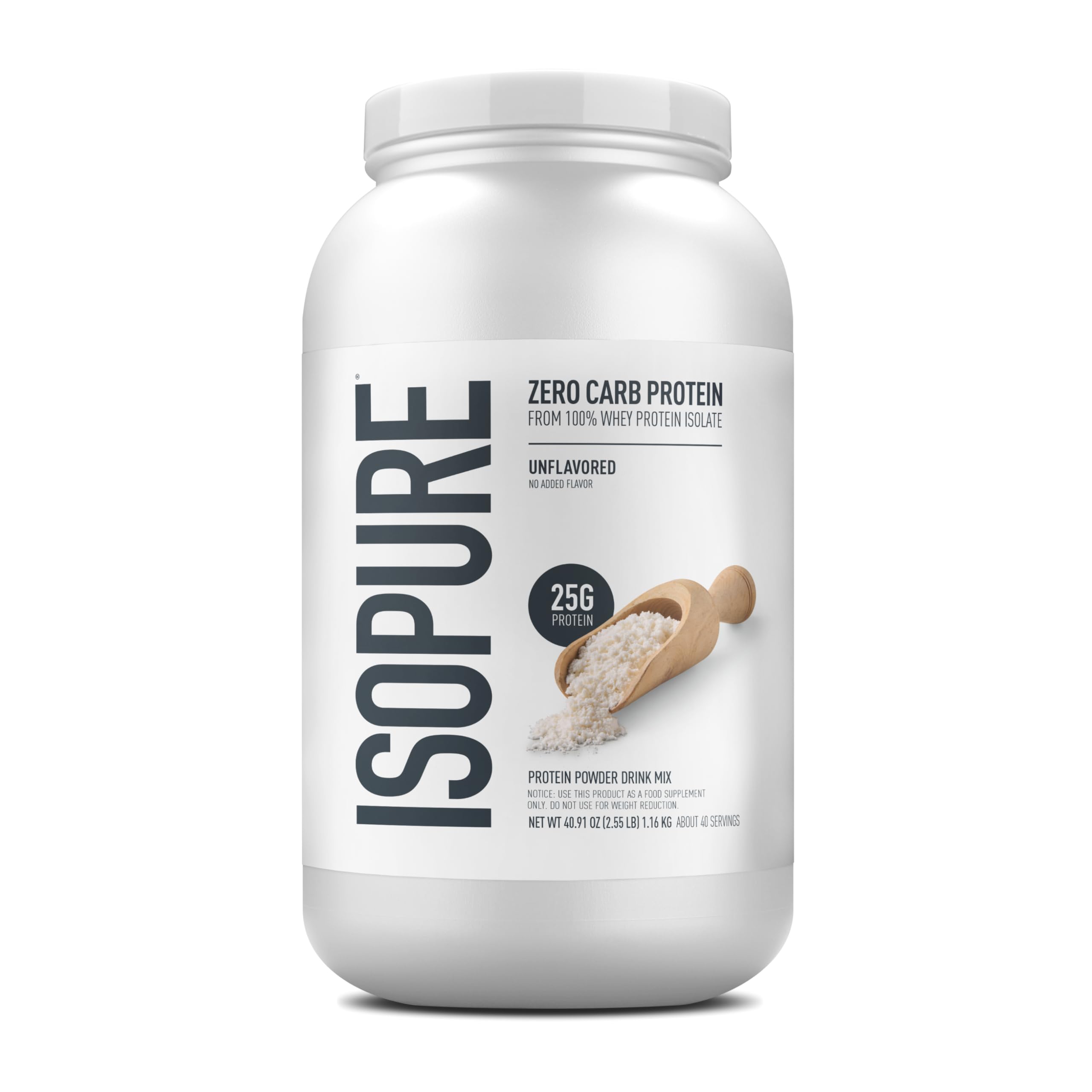
Unflavored protein is a tool, not a treat, and Isopure's zero-carb isolate is the one we reach for when we want protein without changing the taste of food.

At 25 grams of protein and 0 grams of sugar, it is the leanest unflavored option here. The powder is ultra-filtered, with 20 vitamins and minerals and 5.5 grams of BCAAs, and it disappears into smoothies, iced coffee, and oatmeal without adding sweetness. We liked it best in cold drinks and blended recipes, where its faint dairy note stayed in the background.

Hot liquids are the problem. Stirred into coffee or broth, it clumps and turns grainy, and no amount of whisking fully fixes it. The fix is to make a paste with cold water first, then add the hot liquid slowly, or simply use it in cold recipes. It also has a faint smell that some of us noticed and others did not.

This is a specialist, not an everyday shake. If you want a flavored powder to drink on its own, Isopure is not the pick; if you want to add protein to meals without sweetener or flavor, it earns a place in the pantry. We keep it for savory cooking and smoothies, not for the shaker bottle.

Bottom line: Isopure Zero Carb is the specialist pick for adding protein to smoothies, oatmeal, and savory recipes without sugar or flavor, not for drinking as a standalone shake.

How We Tested 14 Protein Powders Over Four Months

The shortlist began as roughly 40 tubs sold at mainstream retailers, narrowed by reading labels before we ever opened a lid: protein per serving, calories per serving, added sugar, and whether the first ingredient was a recognizable protein source or a blend padded with fillers. Anything whose cost per gram of protein sat far out of line with the rest of the field came off the list. That left 14, spanning whey isolate, whey concentrate, and plant-based, across chocolate, vanilla, strawberry, and unflavored.

Testing ran four months, in the most ordinary conditions we could manage. Each powder got shaken in a bottle with water on weekday mornings, blended with frozen banana and ice on weekends, and stirred by spoon into oatmeal at least once. A few went into coffee. We carried a shaker to the gym and a scoop to the office for the 3 p.m. slump.

Clumping was the first thing we logged: whether the powder sank or floated, how many shakes it took to smooth out, and how much clung to the sides of the bottle. We sipped each one in water before milk, so sweetness couldn't disguise a chalky texture or a chemical aftertaste, and noted any grit left on the teeth. We tracked how we felt within the hour — bloating, gurgling — and whether the shake actually held hunger until lunch. Finally, we counted scoops per tub against the label, weighed a level scoop to see if servings were as generous as claimed, and looked at how much of the packaging was realistically recyclable.

How to Choose a Protein Powder for Weight Loss

Start with protein and calories, not the label

The first number we check is protein per serving; the picks here run from 20 to 30 grams. Then calories and sugar. A shake with 30 grams of protein and 150 calories is a different tool from a 10-gram meal replacement with added sugar. For weight loss, you want protein high enough to make the shake worth drinking and calories low enough that it does not become a second meal. Dymatize ISO100 is the clearest example here: 25 grams of protein, under 120 calories, and 1 gram of sugar.

Choose whey or plant based on your stomach and your blender

Whey isolates are generally the smoothest mixers and the leanest on sugar; they are our default if dairy suits you. Whey blends can be creamier but may sit heavier. Plant blends bring fiber and a dairy-free option, but texture is the trade-off: Orgain's vanilla needs a blender to lose its grit. If you have had bloating from whey before, an isolate is the version to try first; if you avoid dairy, go plant and plan to blend.

Decide whether you want a protein powder or a meal replacement

Protein powder is for adding protein to a day that already has meals. A meal replacement is for replacing a meal, so it usually brings fiber, vitamins, and a thicker texture. SlimFast's high-protein mix has 5 grams of fiber and 24 vitamins and minerals, but its 20-gram protein figure assumes milk. If you want a precise protein dose with water, choose a pure whey or plant powder; if you want a filling breakfast you can drink, a meal replacement makes more sense.

Taste and mixability decide whether you finish the tub

The best formula is the one you will actually drink. We look for a texture that does not coat the mouth and a flavor that does not taste like candy. Mixability matters just as much: add water first, then powder, and shake hard. A powder that clumps in a shaker becomes a chore by the third day. If you plan to use it in smoothies or oats, test a small amount first so you know how much liquid it needs.

Look at servings, not just tub size

A big tub can hide a small number of servings, and a small tub can be a better value than it looks. We compare the scoop count and the protein per scoop, not the package height. Premier Protein's 17 servings go fast if you drink one a day; Body Fortress's 30-gram scoop gives more protein per serving for a budget price. If you use two shakes a day, the cheaper tub often wins even when the sticker price is higher.

Frequently Asked Questions

Final Verdict

Dymatize ISO100 is the one we recommend for weight loss because it makes the protein-to-calorie trade-off obvious: 25 grams of protein, 1 gram of sugar, and under 120 calories in a shake that mixes cleanly and sits light. If you want a bigger, more versatile tub for smoothies and baking, Gold Standard is the better everyday whey; if you avoid dairy, Orgain is the plant-based pick, provided you blend it.